

Tortuguero
Tortuguero National Park is a protected area located in the northeastern corner of Costa Rica, at the Caribbean Sea. Tortuguero is home to diverse habitats, including rainforests, mangrove swamps, and lagoons, which support a rich variety of flora and fauna. The park is considered one of the most important nesting sites for sea turtles in the world and is also home to a wide variety of wildlife, including monkeys, sloths, and jaguars. The small town of Tortuguero is centrally located in the park and the main hub for tours and activities.
This page contains affiliate links to Booking.com, Hostelworld, and Tripadvisor. If you click through and make a booking, I may earn a commission at no additional cost to you.
Climate & Vegetation
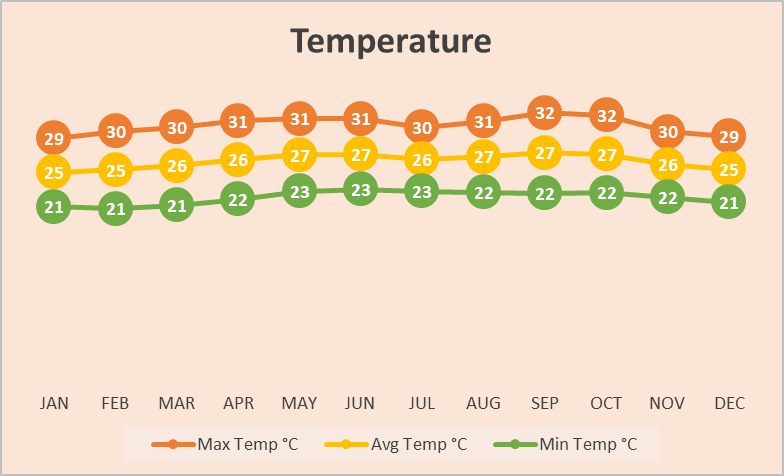
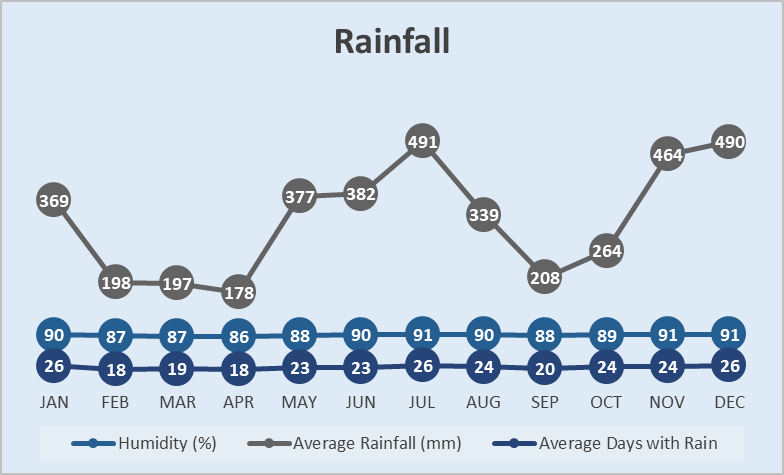
The climate of Tortuguero National Park is tropical and humid, with high temperatures and rainfall throughout the year. The wettest months being from June to December. The months February to April, September, and October have the best weather. The vegetation in Tortuguero National Park is diverse and includes several types of ecosystems, including lowland rainforest, swamps, lagoons, and beaches. The park's swamps and lagoons are filled with mangroves, which are important breeding grounds for many species of fish and invertebrates. The beaches of the park are essential nesting sites for sea turtles and are also home to a variety of shorebirds and other animals.
Temperature and rainfall statistics are averages over a longer period of multiple years. The 'Average Days with Rain' statistic shows the average number of days per month that had rain, but this does not say anything about the duration of rain per day. Weather, especially rainfall, is difficult to predict and varies per year due to different influences. Visit the Seasons page for more information regarding weather and climate.
Turtles
Tortuguero National Park is famous for its sea turtle populations, which come to the park's beaches to nest. The park is home to four different species of sea turtles: the green sea turtle, the hawksbill turtle, the loggerhead turtle, and the leatherback turtle.
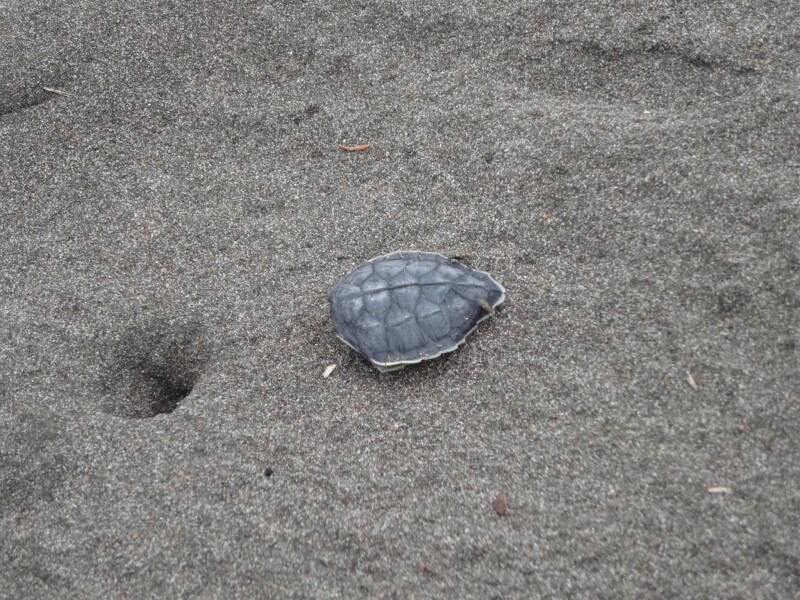
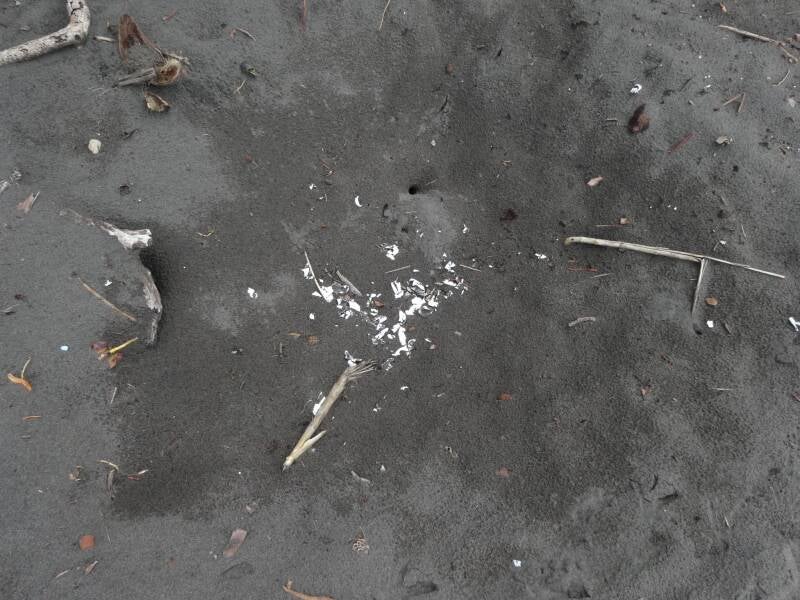
Of these species, the green sea turtle is the most common, and Tortuguero is one of the most important nesting sites for this species in the world. Green sea turtles and hawksbill turtles come ashore for nesting during July to October, with the peak nesting season occurring in August and September. During this time, visitors can take guided tours to observe the turtles as they come onto the beach to lay their eggs. After nesting, the turtles return to the ocean, and the eggs hatch after approximately 60 days. Lesser-seen leatherback turtles nest from February to March, but those numbers are low and the chance of seeing this is small, which is why, as far as I know, there are no tours during this period. The season in which you can take tours and spot turtles is from July to October.
The park has a dedicated turtle conservation program that works to protect the nesting sites and the turtles themselves. The program includes measures to reduce disturbances to the nesting sites and to protect the eggs from predators, as well as monitoring the turtle populations to track their numbers and health. The conservation program has been successful in increasing the number of sea turtles that nest in the park, and Tortuguero continues to be an important site for the conservation of these species.

La Pavona to Tortuguero
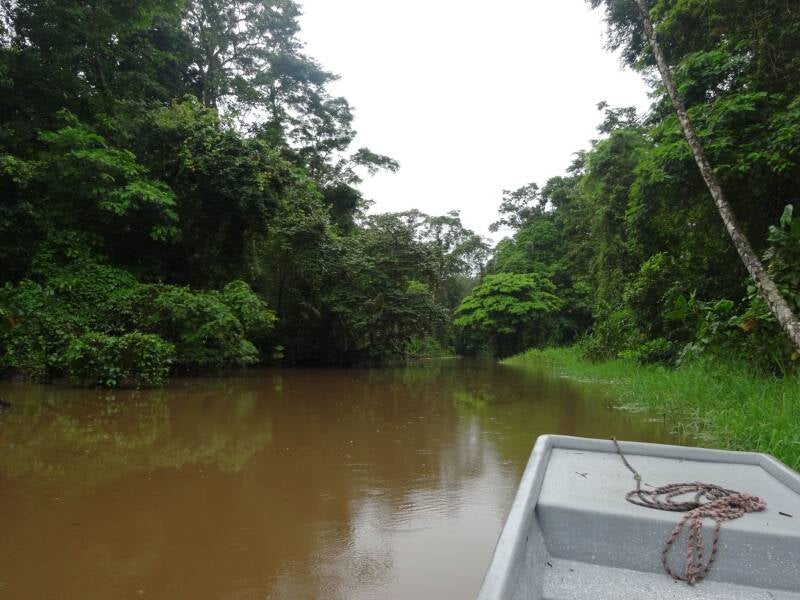
You can't reach Tortuguero by car. The most common way to travel to Tortuguero is by boat. Boats to Tortuguero leave at La Pavona and Moin, although La Pavona is the most common connection. You can go to La Pavona by bus or by car. At La Pavona there is a restaurant where you can buy your ticket. There is also a guarded car parking. The boats are called “lanchas,” and the one-hour trip to the town of Tortuguero is quite an experience on its own, taking you through the canals of the national park.
The town of Tortuguero is small and has some hotels, stores, and restaurants. Most tours leave from here, and the entrance to the national park with a walking trail is located near town. If you are located in a lodge in the surrounding area, you will usually be picked up and brought back to your lodge by tour operators. The only way to travel in between these lodges and the town is also by boat. Note that the number of accommodations has a limit, and since you have quite a dedicated trip to make to get to Tortuguero, I would advise booking your accommodation in advance.
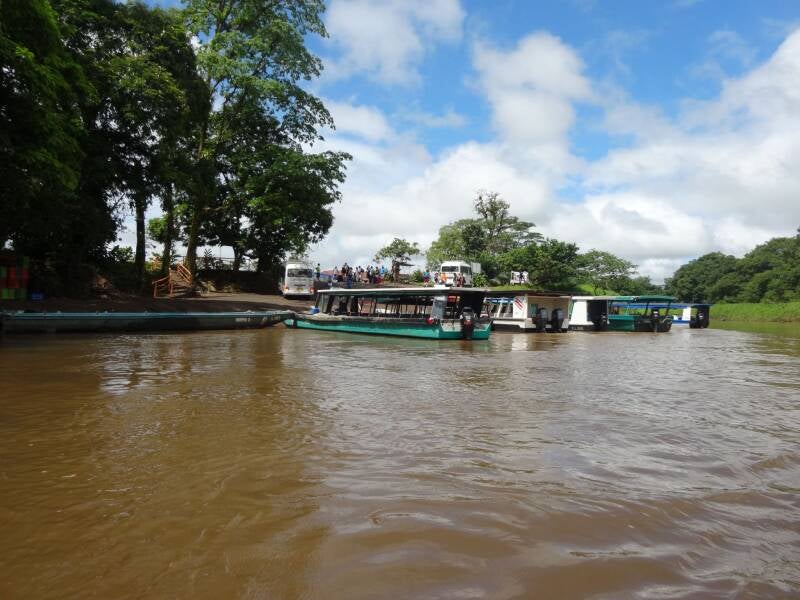
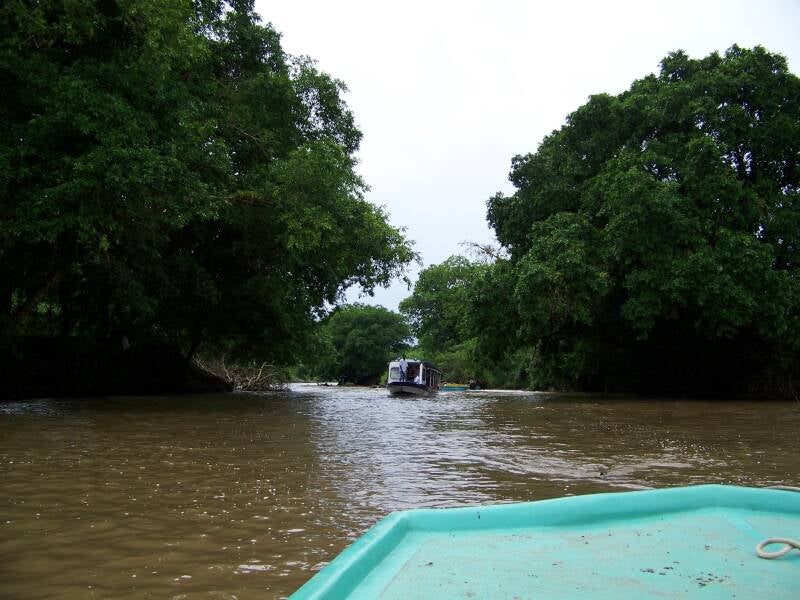
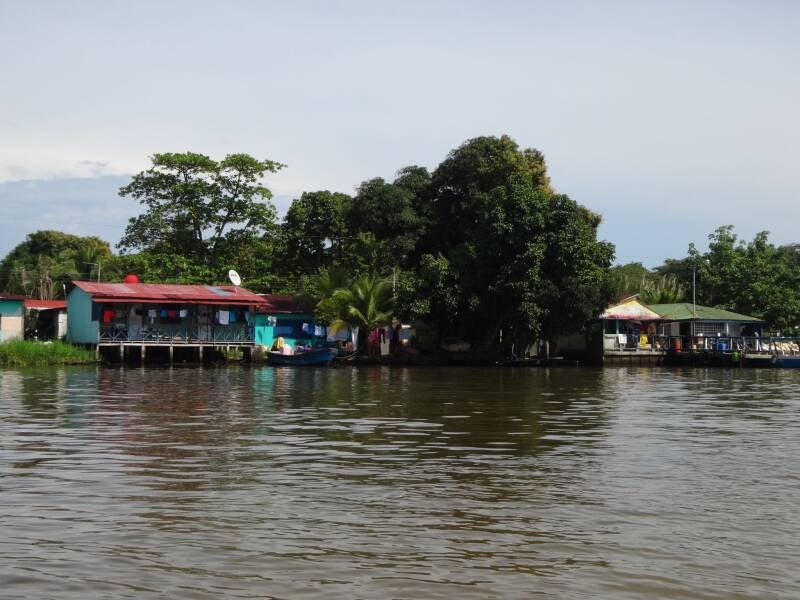
Tortuguero
The Town of Tortuguero
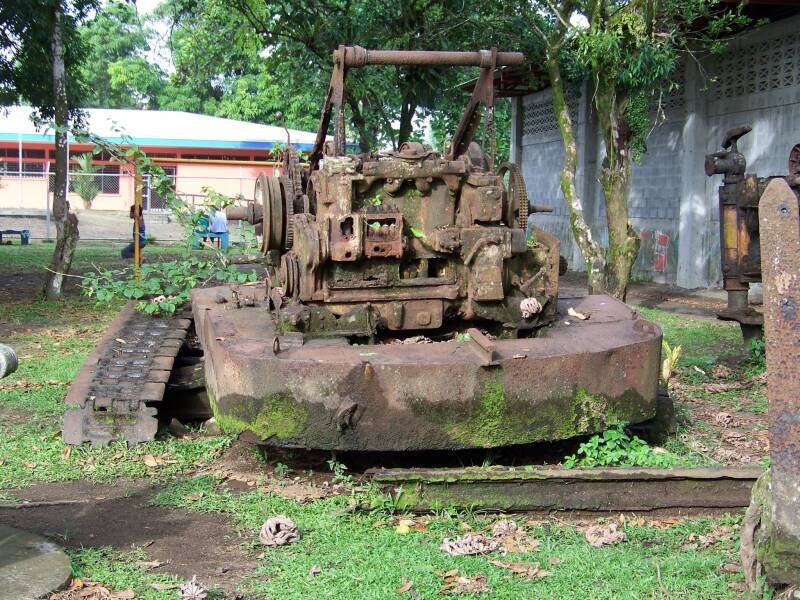
The town of Tortuguero is a small, laid-back community situated on a narrow strip of land between the Tortuguero River and the Caribbean Sea. There are no cars; all transportation within and to the town is by boat or on foot. The main street is a walking path about 500 meters long, with accommodations, restaurants, some shops, and a dock. Before Tortuguero became a national park, there was some tourism in the area, however, this was a relatively small industry compared to agriculture and logging. Since the establishment of the national park, tourism has become the dominant economic activity in Tortuguero, and the local community has shifted to providing services and products for visitors. In the town of Tortuguero, you can still find some old machinery that was used for commercialized logging.
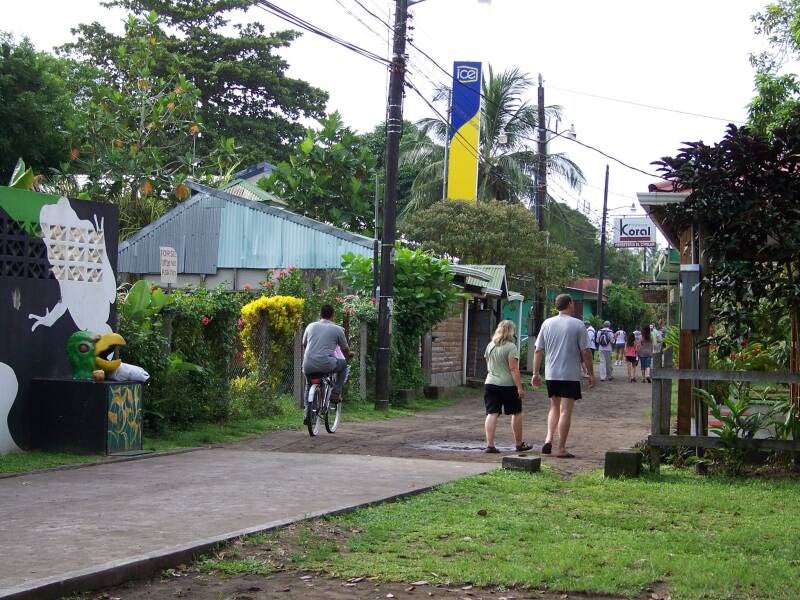
Tortuguero National Park
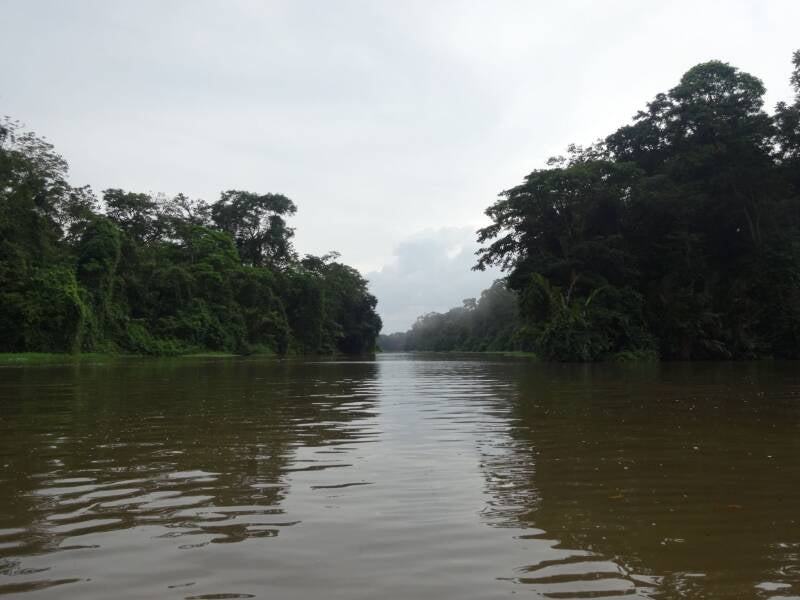
Tortuguero National Park is a combination of tropical rainforest and wetlands and earned the nickname Little Amazonas or Amazonas de Costa Rica for good reason. Just like the town, the park can't be reached by car, and the common way of transport to and within the park is by boat through the many canals. The park was established in 1975 to protect the nesting sites of green sea turtles, which come to the park's beaches to lay their eggs.
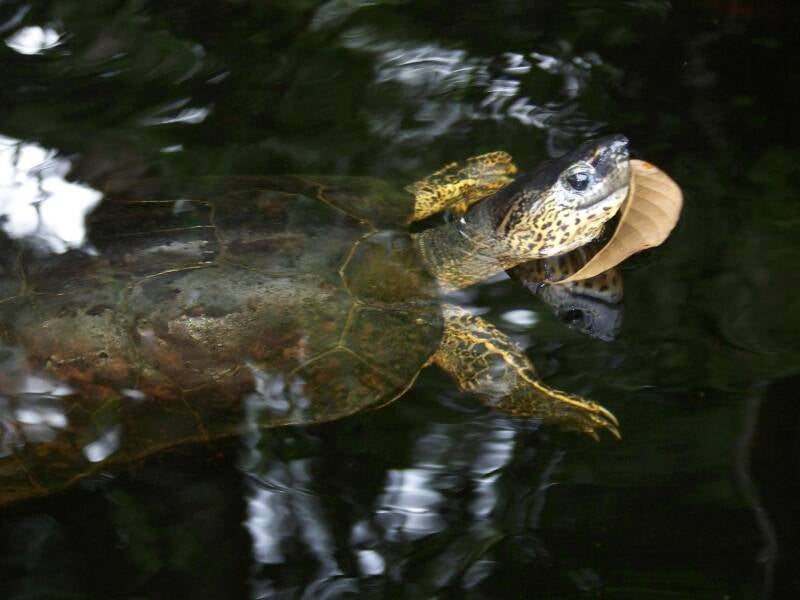
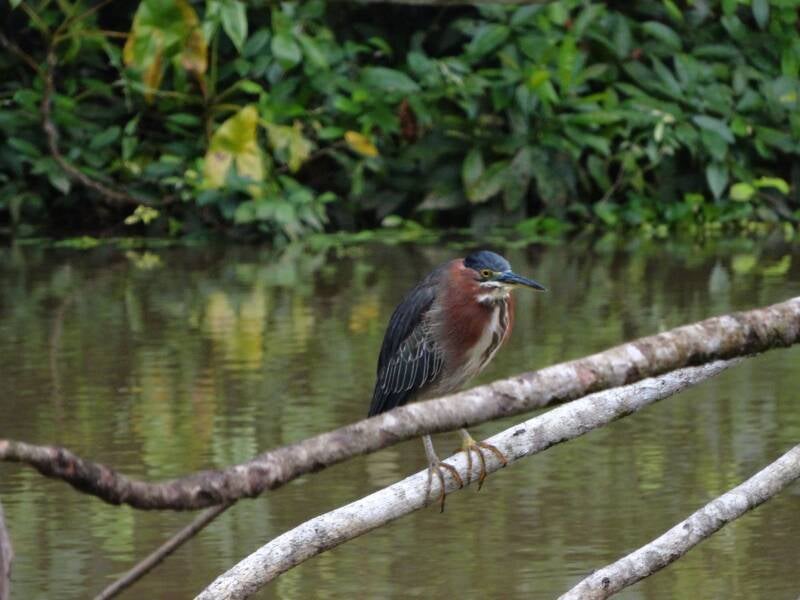
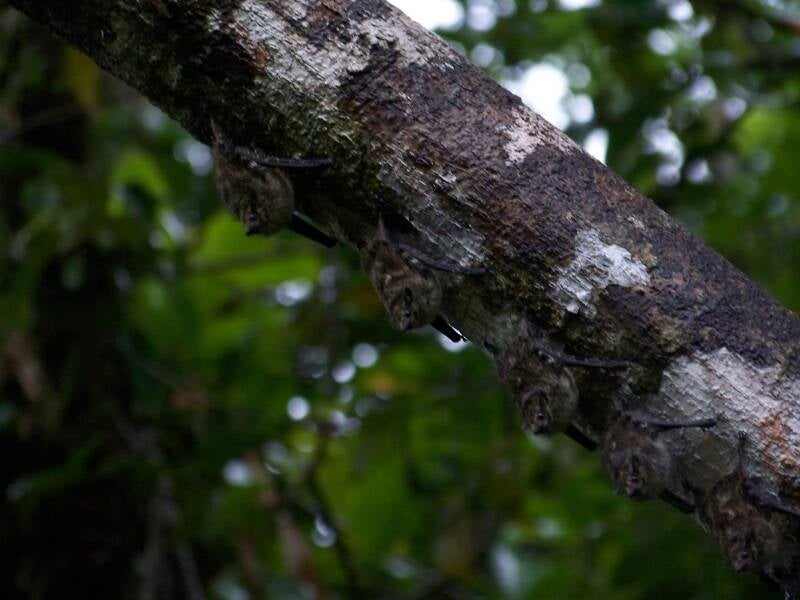
When visiting Tortuguero, you should definitely do a guided boat or kayak tour through the canals. You will be amazed by the amount of wildlife you will be able to see from the water. A hike through the park is also worth your time and can be done from the entrance located at the end of town on one side or via the beach from the other side. The so-called Jaguar Trail is worth a hike. Tortuguero is, however, most famous for watching nesting turtles at night. The nesting season also draws jaguars closer to the coast. Although the chances are still extremely rare that you will encounter one, there are sightings of jaguars in and near the town of Tortuguero.

Cerro Tortuguero
Cerro Tortuguero is a wonderful lookout point located a boat trip away from the town of Tortuguero. From town, you take a boat to the Cerro Tortuguero Trail after buying the ticket on the SINAC page. When you arrive, you are greeted by a park ranger who explains the entire route. At the entrance you will also find toilets. Cerro Tortuguero is actually an extinct volcano and the only high point in the surrounding area. During the hike you can see birds, butterflies, and red frogs. The trail is well-marked and easily accessible. Along the way you will find a stairway to the viewpoint. At the viewpoint the view is spectacular; the division between the Caribbean Sea and the river is very well visualized. At the foot of Cerro Tortuguero is the small town of San Francisco, which you are also able to visit.


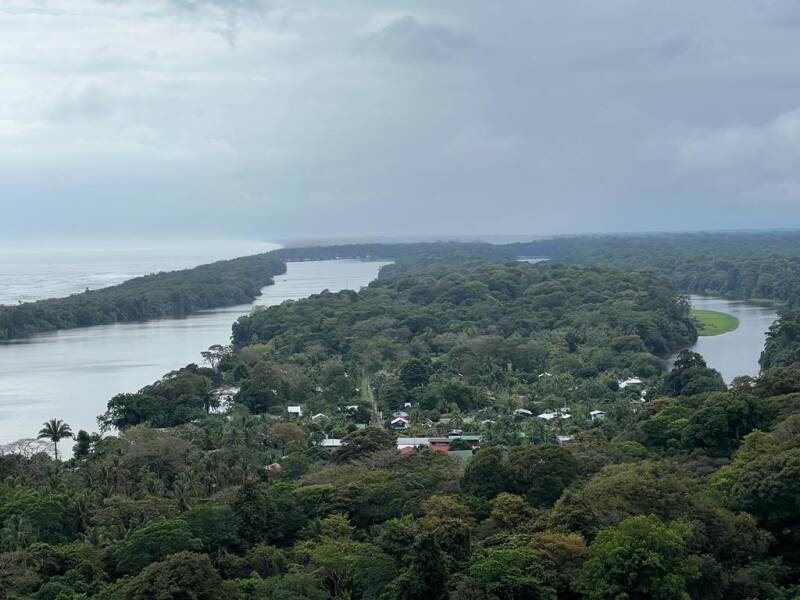
Credits for the photos of Cero Tortuguero: Familia Santamaria Calderon
Explore Tortuguero
- ✓ Parque Nacional Tortuguero, visit Tortuguero National Park, you can enter a walking trail from the town of Tortuguero or go on a boat or kayak tour through the canals of Tortuguero.
- ✓ The main attraction in my opinion is to take a night tour to the beach during nesting season to witness turtles come ashore to lay eggs. The season in which you can take tours and spot turtles is from July to October.
- ✧ Sea Turtle Conservancy. In the Sea Turtle Conservancy Visitor Center, you can learn more about sea turtles and the activities in Tortuguero to protect them.
- ✓ Cerro Tortuguero, a wonderful lookout point located a boat trip away from the town of Tortuguero.
✓: Based on experience | ✧: Based on research. Follow the links to check recent visitor photos and reviews on Tripadvisor.
Where to Stay
Search for the best accomodations on Booking.com and Hostelworld. These links are preset to Tortuguero.
Recommended is Casa Marbella Bed & Breakfast, a great Bed & Breakfast with a wonderful view over the canal. A great place when you want to stay in the town of Tortuguero. Check out Casa Marbella Bed & Breakfast on Booking.com for great deals! Looking for an exclusive stay outside the town of Tortuguero with restaurant, spa and swimming pool? Check out Aninga Lodge on Booking.com for great deals!
How to get to Tortuguero
Tortuguero is a remote area, and it can only be accessed by boat or plane. The most common way to get to Tortuguero is by taking a boat from the town of La Pavona. The boat ride takes approximately 1 to 2 hours and offers a scenic journey through the canals and rivers that lead to Tortuguero. You can get to La Pavona by car and by bus. At La Pavona there is a restaurant with a ticket counter to buy your ticket for the boat. There is also a guarded car parking where you can leave your car for approximately 6000 colones a day.
To get to La Pavona by bus from the direction of San José, you will have to take the bus to Cariari from the Gran Terminal del Caribe. It takes about an hour and a half. Once in Cariari, take a bus to La Pavona which takes about an hour.
The timetable (information dated Q4 2022) for the public boat service between La Pavona and Tortuguero, which costs 3000 colones for a one-way ticket, is as follows:
- La Pavona -> Tortuguero: 6AM, 7:30AM, 9AM, 11AM, 1PM, 3PM, 4:30PM
- Tortuguero -> La Pavona: 5AM, 7AM, 9AM, 11AM, 1PM, 3PM
The second option to get to Tortuguero by boat is via Moin. The boat trip from Moin costs approximately 35 dollars and takes approximately 3 to 4 hours. This might be interesting if you are coming from the direction of Puerto Viejo de Talamanca or if you want to go in the direction of Puerto Viejo de Talamanca afterward. Note that this connection is less traveled, and it might be wise to contact the operator first to check for the timetable and prices. You can find the location in the highlights map.
Another option is to fly to the town of Tortuguero, which has a small airport. Sansa offers flights to Tortuguero. I have never traveled to Tortuguero by airplane, but I can only imagine how scenic the view must be when flying towards the national park.
What to Explore Next
- South of Tortuguero and The North Caribbean you will find The South Caribbean with nice laid-back reggae vibed beach towns, and stunning nature and beaches.
- West of Tortuguero and the north Caribbean you will find The Northern Zone with lush rainforests, volcanos, and cloud forests.
- South-west of the North Caribbean you will find The North Central Valley with the nation its capital city.